“Bean growing” search results (7000)

Hawaiian Coffee Kona Coffee Introduction Hawaiian Fine Coffee Bean Region Flavor Taste
Although coffee trees are grown commercially on all Hawaiian islands, the Big Island currently has the largest number of coffee plantations, with about 650 plantations, but these coffee plantations are relatively small, totaling less than 2000 acres of plantation land, and only 25 coffee plantations are operating on Maui, Molokai, Oahu and Kauai.
2016-07-29 Hawaiian Coffee Kona Introduction Boutique Coffee Bean Region Flavor Taste Although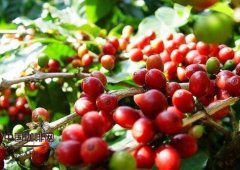
Carmen Manor SHB, EP Natural primitive Forest to grow Coffee single Coffee
Boutique coffee (specialty coffee) is also called specialty coffee selection coffee. It refers to coffee made from a small number of raw beans with excellent taste grown in an ideal geographical environment. Depending on the special soil and climatic conditions in which they grow, they have outstanding flavor. After strict selection and classification, this kind of coffee is hard in texture, rich in taste and stylish.
2016-06-19 Carmen Manor SHB Nature primitive Forest planting Coffee individual Fine goods
The most flavored variety, "Mocha Haral"
The most famous coffee in Ethiopia is Harald coffee. Harald is located in eastern Ethiopia. Harald is an ancient city with a long history and one of the four holy cities of Islam. The Harald region has the best altitude for Arabica coffee and is the highest coffee producer in Ethiopia. Harald, Ethiopia, like Mocha in Yemen, is pure-handed.
2014-08-22 Coffee knowledge most flavor coffee variety Hala
Coffee Flavor characteristics of Coffee Bean cutting method
On the other hand, most of the Robasta coffee beans are small, of different shapes and sizes, and are not very good-looking. They are mainly produced in Uganda, Ivory Coast, Congo, say, Angola and other countries. Generally speaking, the coffee beans that everyone is most familiar with when drinking individual coffee in Taiwan cafes, such as the earthy mountains of Brazil, Mantenin of Colombia, Yemenmoka, the Blue Mountains of Jamaica, etc., all belong to the high quality of Elaraby.
2016-06-06 Coffee bean species way flavor characteristics Robbas bass coffee beans most grains
Introduction to the characteristics of Rwanda Coffee Bean Flavor Manor producing area Coffee growing Environment in Rwanda
Rwandans have been growing coffee since colonial times, but until 1999, its products were still classified as below Class C and were not popular in the global market. The reason for the poor quality is that farmers do not have a fixed procedure for washing coffee beans and do not process coffee fruits according to specifications in time. Buyers buy coffee beans at $0.33 per kilogram, and farmers keep warm by the meagre profits earned at low prices.
2016-08-04 Rwanda coffee beans flavor taste manor producing area characteristics introduction coffee species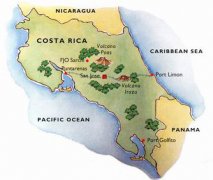
Characteristics of taste and flavor of varieties in Costa Rican coffee bean producing area
Tarrazu in Costa Rica is one of the major coffee producing areas in the world. The coffee produced is light and pure in flavor and pleasant in aroma. Costa Rica, with its fertile volcanic soil and good drainage, is the first country in Central America to grow coffee and bananas for commercial value. Coffee and bananas are the country's main exports. In 1729, coffee was introduced from Cuba to Costa.
2014-09-19 Coffee beans Costa Rican coffee
Processing of Fruit of High-quality Coffee
Coffee is the fruit of a Rubiaceae plant growing about 6000 feet above sea level, distributed on the world's narrow subtropical axis; coffee trees grow green all the year round and can grow up to 20 feet tall, and are generally controlled at 8 to 10 feet for easy harvest. It takes three to five years for the coffee tree to bear fruit. First of all, it produces small white flowers that resemble jasmine in shape and size, and then wither and bear deep fruit.
2015-01-19 Boutique coffee common sense fruit processing growing at 000 feet above sea level
Indonesian coffee bean flavor taste manor production area introduces Indonesian coffee brands
The chairman of the Indonesian Special Coffee Association (SCAI), one of the high-quality coffee institutions in Indonesia, gave a brief overview of the export coffee business. Indonesia's total exports grew by an average of 50-20% a year from 2000 to 2009, until it became the third largest coffee manufacturer in the world. Robasta coffee accounted for about 70% of the total exports, because the earliest
2016-07-21 Indonesia coffee beans flavor taste manor producing area introduction coffee brand
Processing and characteristics of Coffee Fruit
Coffee is the fruit of a Rubiaceae plant growing about 6000 feet above sea level, distributed on the world's narrow subtropical axis.
2014-07-08 Coffee knowledge coffee bean processing coffee bean characteristics coffee encyclopedia
Summary of the processing and characteristics of Coffee Fruit
Coffee is the fruit of a Rubiaceae plant growing about 6000 feet above sea level, distributed on the world's narrow subtropical axis; coffee trees grow green all the year round and can grow up to 20 feet tall, and are generally controlled at 8 to 10 feet for easy harvest. It takes three to five years for the coffee tree to bear fruit. First of all, it produces small white flowers that resemble jasmine in shape and size, and then wither and bear deep fruit.
2015-04-24 Coffee common sense fruit processing characteristics overview coffee growing in altitude 000
African Coffee Bean Kenya AA Coffee Bean Flavor Taste Characteristics and Different Roast Degree Flavor
Flavor Taste Characteristics: Rich aroma, balanced acidity. Coffee is a part of African life, whether in the most remote parts of the Great Rift Valley, or in the Maasai nomadic Masai Mara steppe, whether urban or rural, can always smell the aroma of coffee, and look for incense to go, stay, taste, with a cup of coffee to carve those endless African time. Kenya is located in Ethiopia.
2016-01-06 Africa Coffee Bean Kenya Origin Flavor Taste Characteristics Roast Degree Medium
Relationship between Arabica coffee bean family members hematemesis and sorting out Arabica coffee bean family relationship
Coffee beans come from two main types of coffee trees: Robusta and Arabica. Drinks with high caffeine will come from Robusta, Coffea canephora robusta variety and Elaraby plus coffee beans (Coffea arabica) are commonly used by general coffee bean manufacturers, and the taste of the two coffee beans will be different with different proportions.
2016-04-30 Rabbi coffee beans family members relationships hematemesis finishing from coffee
The pedigree and variety of selected coffee
Since human beings planted coffee, many varieties of coffee have been discovered and developed.
2014-06-17 Coffee knowledge coffee varieties coffee encyclopedia
Introduction to the varieties of boutique coffee
Since human beings planted coffee, many varieties of coffee have been discovered and developed.
2014-09-02 Coffee knowledge boutique coffee coffee varieties
Aroma and finish lasting Cupid Coffee Flavor, characteristics, taste and Manor introduction
This coffee, composed of Rosa, Kaddura and Kaduai, grows in the volcanic area at an altitude of 1600 meters. The treatment plant uses fine honey treatment and traditional washing. The special local microclimate of Panama leads to abundant rainfall in this area and a large temperature difference between day and night. Coupled with the unique volcanic rock soil in the volcanic area, as well as meticulous harvesting and fine treatment, this coffee no matter
2016-09-01 Harmony tail rhyme long-lasting Cupid coffee flavor characteristics taste manor introduction
Climatic conditions of coffee bean growing areas in Kenya how to roast Kenyan AA coffee beans to taste good
Kenya's climatic and geographical conditions provide unique conditions for the growth of high-quality coffee beans, which are located in eastern Africa, the equator runs through the middle, and the East African Rift Valley runs through the north and south. It is bordered by Somalia to the east, Tanzania to the south, Uganda to the west, Ethiopia and Sudan to the north, and the Indian Ocean to the southeast. The coastline is 536 km long. There are many plateaus in the territory, with an average elevation of 1500 meters.
2016-06-16 Kenya coffee geography climate conditions introduction Nyeri central Dashan
Peaberry
Round beans are commonly known as male beans, which are a variety of coffee beans, English called Peaberry, also known as caracoli.
2014-08-26 Coffee knowledge round beans coffee beans coffee encyclopedia
Coffee purchase price Yunnan coffee bean purchase price may rise to 35 yuan 2016 coffee bean price
■ Metropolis Times reporter Li Wenzheng at noon on March 4, New York Futures Exchange Type C coffee rose 17.40 cents / lb to 197.78 cents / lb, equivalent to about 26.7 yuan / kg, the biggest daily increase in 20 years. This completely broke the coffee bean trading market that had been in the doldrums for two years.
2016-04-25 Coffee purchase price Yunnan coffee beans 35 yuan 2016 price
Coffee varieties Coffee growing Coffee harvesting and processing
The weak acid fertile soil under volcanic gestation, obvious dry and wet seasons, high temperature and sufficient precipitation provide excellent conditions for coffee cultivation. Costa Rican coffee is 100% Arabica. In 1989, in a rare move, a national ban on Robusta cultivation was passed, which was extended to boycott cartimor varieties. See more caturra, caturra
2016-05-25 coffee variety planting harvesting treatment volcano incubation acidity fertility soil
Boutique coffee Guatemalan coffee bean characteristics Guatemalan coffee bean flavor
The extra-hard coffee beans here are full-grained, delicious and balanced, and the coffee made with them is pure and rich. Guatemala coffee once enjoyed a reputation as the best quality coffee in the world, but its quality also declined for a time. What is gratifying, however, is that its reputation is gradually being restored. In 1750, Father Jesuit introduced coffee trees to Guatemala, at the end of the 19th century.
2016-05-11 Boutique coffee Guatemala coffee beans characteristics flavor here extra hard